Guided skill blocks
Short drill sets with demonstrations on deck, repeated intervals, and planned rest. Coaches announce upcoming sets so you can prepare equipment without interrupting the lane flow.
Lane-led programming
Choose a window that matches how you like to move in water—slower endurance lanes, mixed tempo rows, or self-directed laps within posted etiquette. Coaches on deck offer form cues and safety reminders; they do not promise individual outcomes because skill development varies widely between visitors.
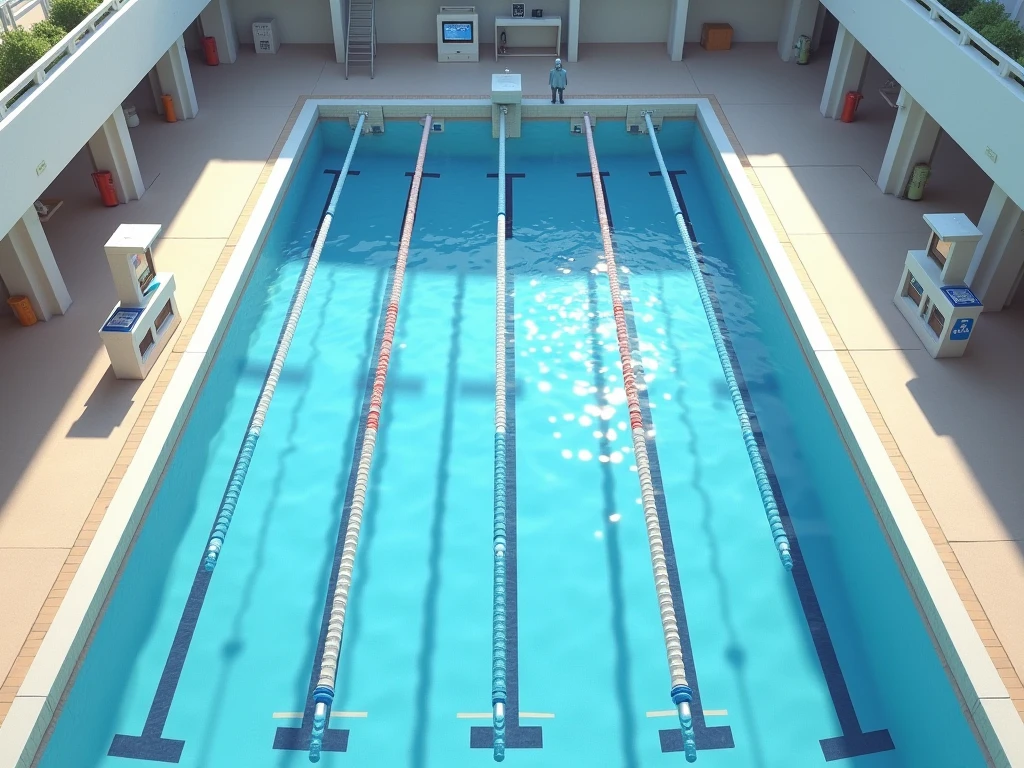
Deck perspective
Slow, medium, and brisk lanes use signage you can read while standing on deck. If a lane feels mismatched, staff help you move rather than expecting mid-water negotiations. We update signs when average pace shifts seasonally so returning members do not rely on outdated assumptions.
Circle-swim direction alternates by session block to balance wear on shoulders; the whiteboard near the shallow end lists the active pattern for the day.
Formats
Each format uses the same water but different coaching touchpoints. Read the descriptions below and ask the desk which option aligns with how you like to receive guidance—some swimmers want frequent check-ins; others prefer quiet laps with occasional form reminders.
Short drill sets with demonstrations on deck, repeated intervals, and planned rest. Coaches announce upcoming sets so you can prepare equipment without interrupting the lane flow.
Self-directed swimming within posted rules. Staff stay available for questions about etiquette, equipment location, or building access—without turning the hour into a private lesson unless booked separately.
Intermediate lanes rotate pace bands every few minutes so you can practice shifts similar to coached practices. These sessions require comfort with circle swimming and passing signals; first-time visitors sometimes start in guided blocks instead.
Equipment
Kickboards, pull buoys, fins, and paddles live on labelled racks. We rinse and rotate stock on a schedule printed at the rack so you can see when the last full sanitation pass occurred. Lost-and-found moves to a clear bin for fourteen days before donation of usable items.
Fins display foot-length ranges; paddles note strap settings. The goal is to reduce time spent searching through mixed bins during short transition windows.
Mesh bags hang in a ventilated corner away from paperwork counters so damp gear does not drip on waiver forms or keyboards.
Day lockers accept standard padlocks sold at the desk; we keep a small inventory when supply chains delay restocking.
Coaching tone
Deck staff ask whether you want stroke observations during a session. If you decline, they note it on the shift sheet so the next coach respects the same preference. When you opt in, feedback references visible mechanics—head position, kick timing, breathing pattern—not abstract scoring.
If you need extended one-on-one work, the desk can describe private lesson availability separately from lane membership.
Emergency stops, whistle signals, and evacuation routes are covered in the orientation map. We rehearse procedures with staff quarterly and update signage when the building changes exit paths.
Facility snapshot
Use the figures below to compare our space to others or to estimate commute timing. They do not describe how fast you should swim.
Email or call with the times you typically swim and whether you prefer coaching cues or quiet laps. We respond with honest availability and seasonal hour adjustments instead of generic brochures.